



Breadcrumb
Careers & Alumni
Cal Poly Humboldt graduates in Geography and Geospatial Science & Technology put spatial thinking into practice across fields such as planning, conservation, policy, public service, GIS, and data science. Rooted in fieldwork, research, community engagement, and applied learning, these degrees prepare students to make meaningful contributions in a changing world.
B.A. in Geography graduates bring critical, place-based perspectives to work in planning, advocacy, education, and community development. They also contribute to environmental analysis and field-based understanding of landscapes, ecosystems, and human-environment relationships.
B.S. in Geospatial Science & Technology graduates apply advanced spatial data, mapping, and analytical tools to careers in environmental management, GIS, and other technology-driven fields.
Featured Alumni
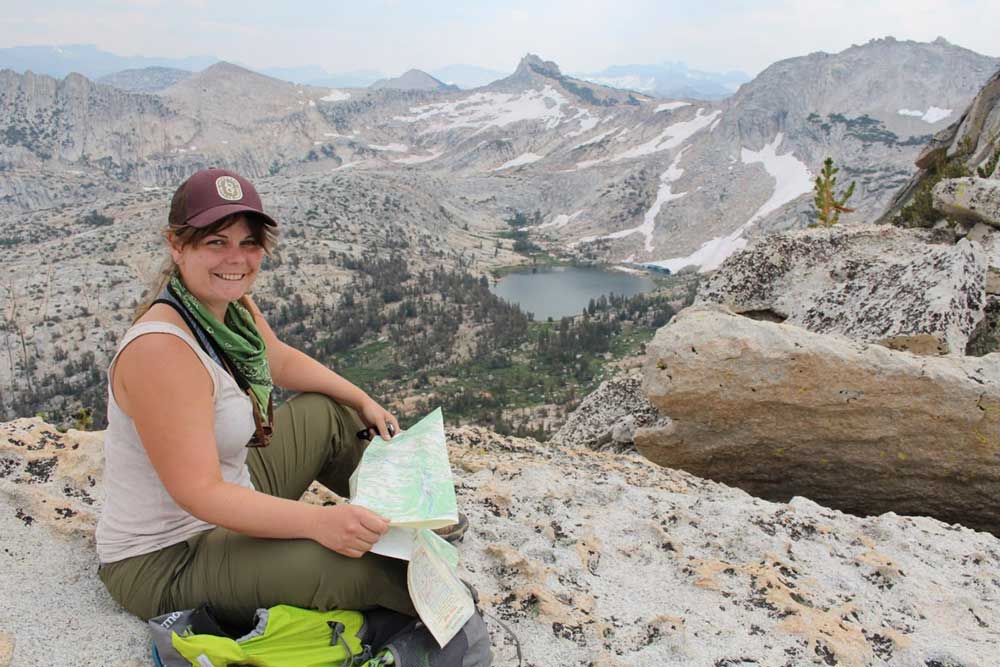
Geography B.A | 2014
Sara Matthews
Program Coordinator
Tahoe Resource Conservation District
South Lake Tahoe, CA
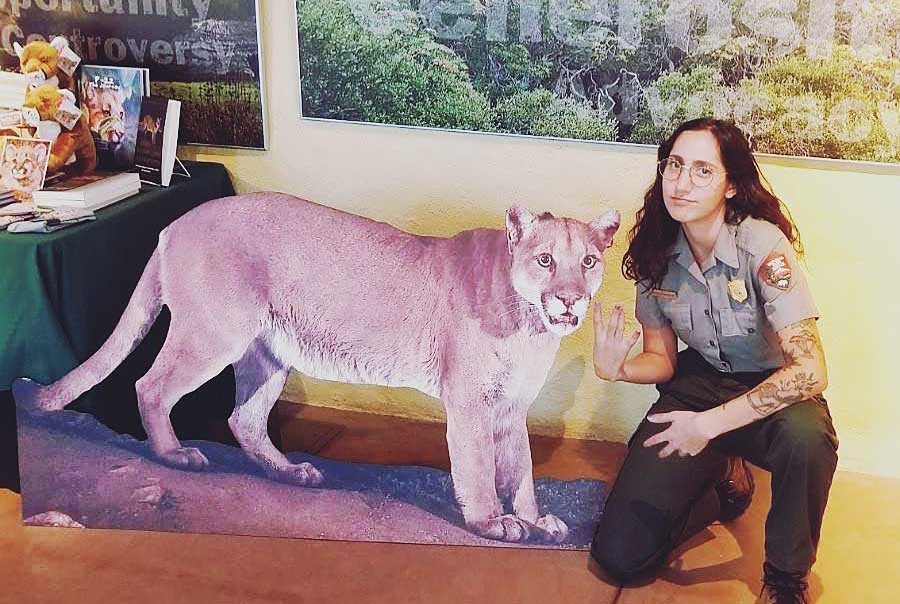
Geography B.A. | 2018
Mithra Derakshan
Park Ranger, National Park Service
Santa Monica Mountain National Recreation Area, CA
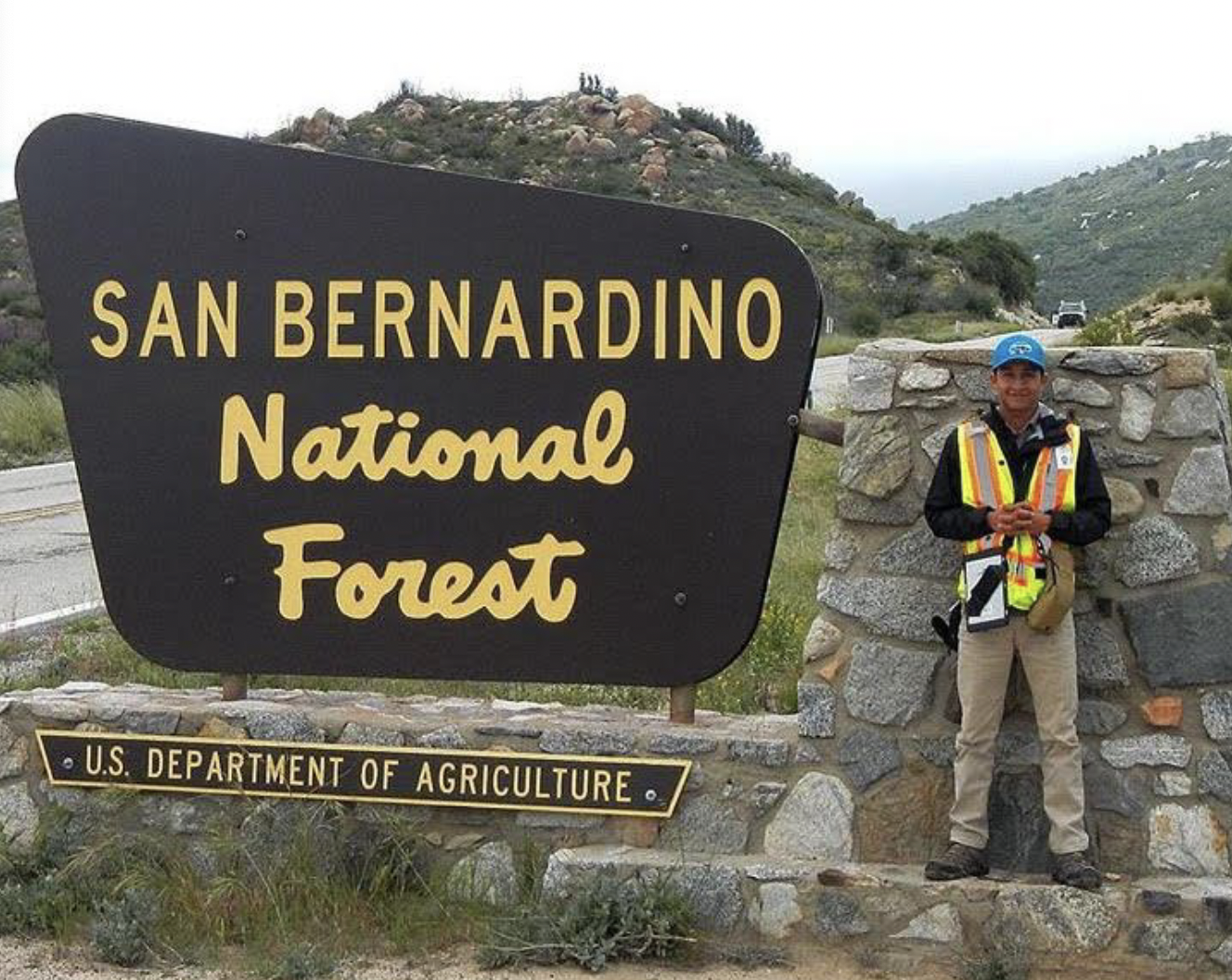
Geography B.A. | 2013
Paul Casteneda
Utility Forester (GIS)
CN Utility Consulting
Los Angeles, CA

Geography B.A. | 2016
Monica Moreno-Espinoza
Research Data Analyst II
California Department of Transportation, Sacramento, CA

Geography B.A. | 2015
Albert Gonzalo Bautista
Geospatial Technical Program Manager I
Uber, Palo Alto, CA
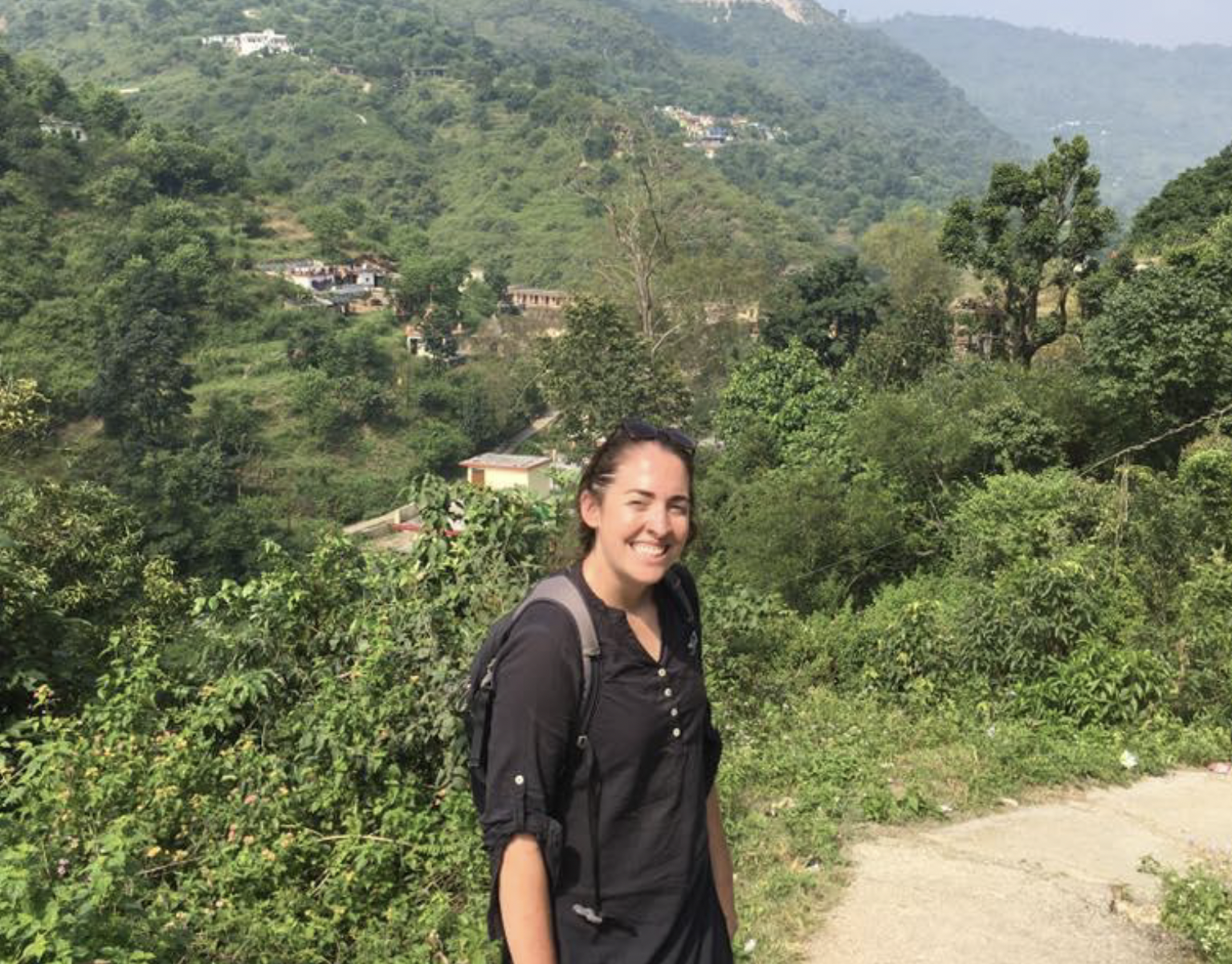
Geography B.A. | 2014
Kirsten Ray
Program Analyst
U.S. Department of Housing and Urban Development
Portland, OR
Where These Degrees Can Take You
These degrees open pathways to careers that connect people, place, environment, and spatial data. Graduates use the research, field, and technical skills they build at Humboldt in fields ranging from planning and public service to GIS, conservation, environmental analysis, and community development.
Geography B.A.
- City and Regional Planner
- Community Development Specialist
- Land Use Policy Analyst
- Location Intelligence Analyst
- Cultural Resource Manager
- Transportation or Mobility Planner
- International Development Specialist
- Climate Adaptation or Resilience Coordinator
- Watershed or Natural Resource Specialist
- Tribal Environmental Program Assistant
- Park Ranger or Recreation Planner
- Environmental Educator
- Environmental Management Specialist
- See More Geography Career Paths
Geospatial Science & Technology B.S.
- GIS Analyst / Specialist
- Cartographer / Digital Map Designer
- Urban Data Analyst / Smart City Planner
- Transportation or Infrastructure Analyst
- Spatial Epidemiologist
- Geospatial Project Manager
- Remote Sensing Technician
- Environmental Modeler
- Wildfire or Disaster Risk Analyst
- Spatial Ecologist
- Hydrologic or Watershed GIS Specialist
- Forestry or Land Use GIS Analyst
- See More Geospatial Career Paths
Marketable Skills for Geography & Geospatial Science Graduates
- Written and oral communication skills
- Public speaking and visual storytelling
- Conflict resolution and mediation
- Team-based project collaboration
- Communicating scientific and spatial concepts to diverse audiences
- Field-based data collection and research design
- Sampling, surveying, and interviewing techniques
- Policy and spatial impact analysis
- Qualitative and quantitative data analysis
- Community-based research and participatory mapping
- Interpretation of social, cultural, and environmental data
- Geographic Information Systems
- Cartographic design and digital map production
- Remote sensing and aerial image interpretation
- Environmental modeling and spatial statistics
- GPS data collection and mobile mapping
- Web mapping and data visualization tools
- Urban and regional planning principles
- Natural resources and land use planning
- Environmental impact assessment
- Program design, implementation, and evaluation
- Project management and stakeholder engagement
- Applied understanding of sustainability principles
- Climate adaptation and resilience planning
- Ecosystem and natural resource management
- Place-based analysis of environmental and social systems
- Equity-focused environmental decision-making
- Systems thinking and integrated problem solving
- Spatial justice and place-based analysis
- Ability to synthesize interdisciplinary knowledge
- Navigating complex human-environment interactions