

Breadcrumb
Environmental Systems, M.S.
You want to make a difference in the world? A master’s degree in Environmental Systems opens the door to making an impact on the world and its resources. The graduate program in Environmental Systems at Cal Poly Humboldt offers three options in Environmental Resources Engineering, Geology, and Energy Technology & Policy within a single graduate program.
Why this program
Environmental Systems is an interdisciplinary Master of Science program that helps students better understand and shape the complex systems that underpin our society.
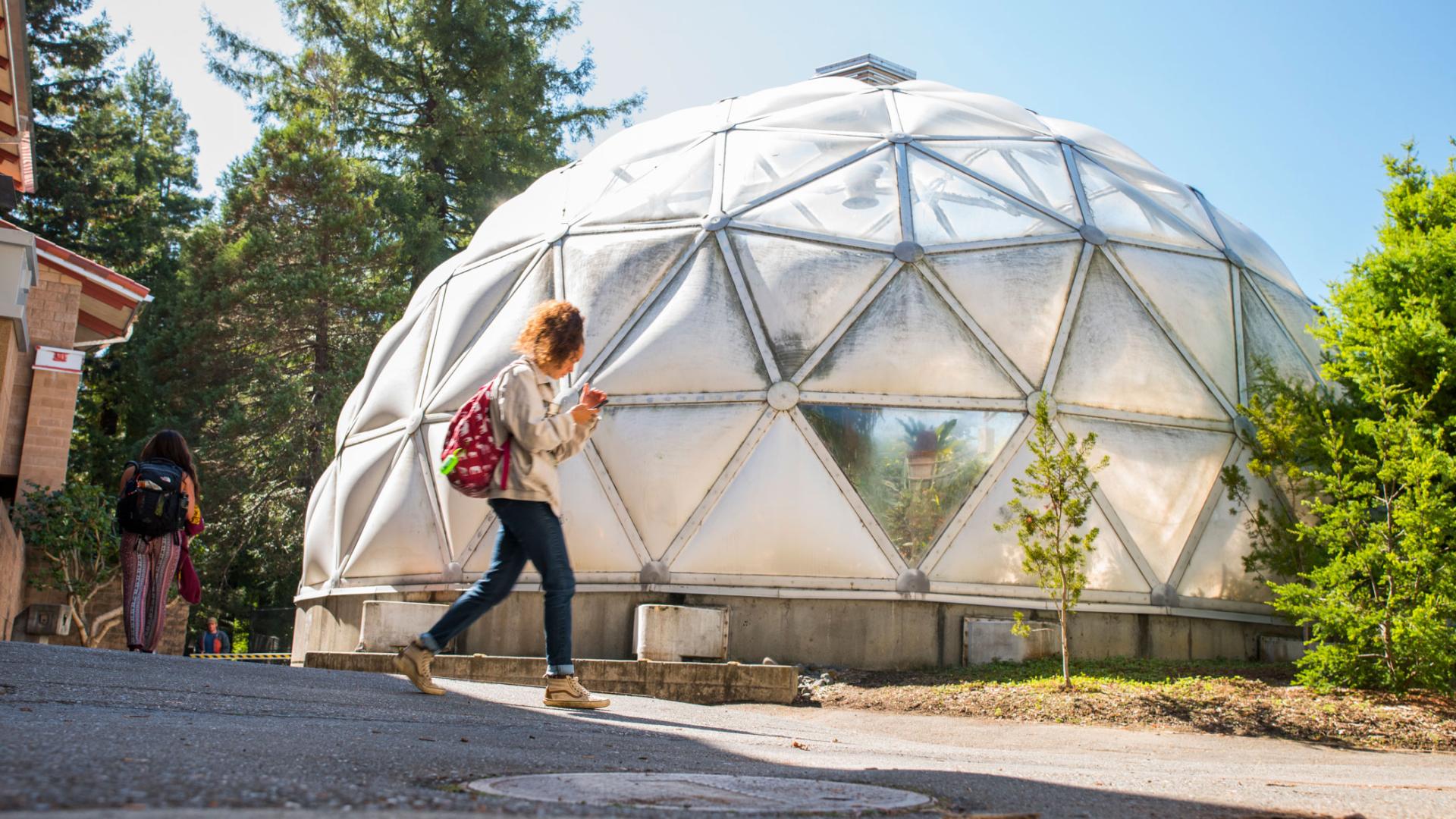
Near empty beaches, mountain ranges, wild rivers, and ancient redwood forests, Cal Poly Humboldt is an ideal place to live and learn.
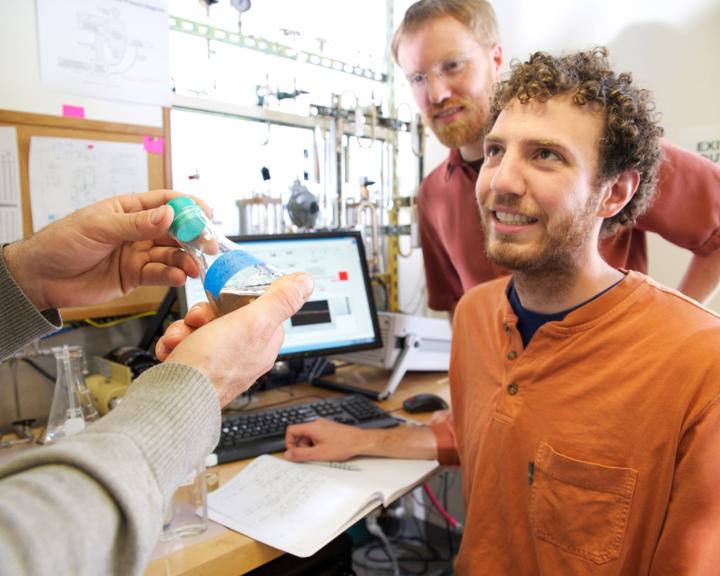
At Cal Poly Humboldt, we believe strongly in the power of experiential education. Students learn through coursework, hands-on projects, and field work.
Program Concentrations
Each of the three focus area options listed below provide a solid scientific foundation for careers in scholarship or practice. They also provide opportunities to work on unique applications of systems thinking with peers and mentors.
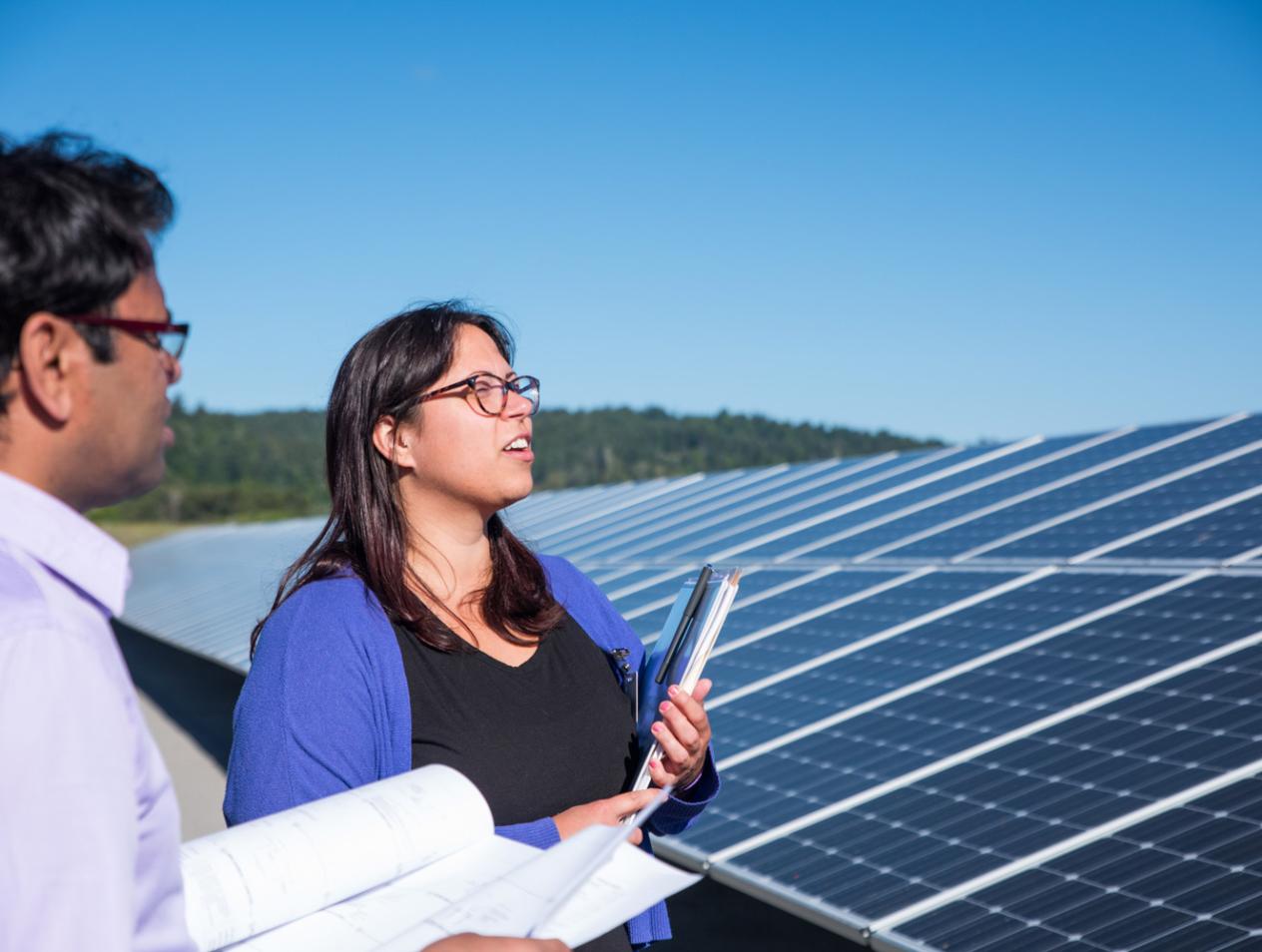
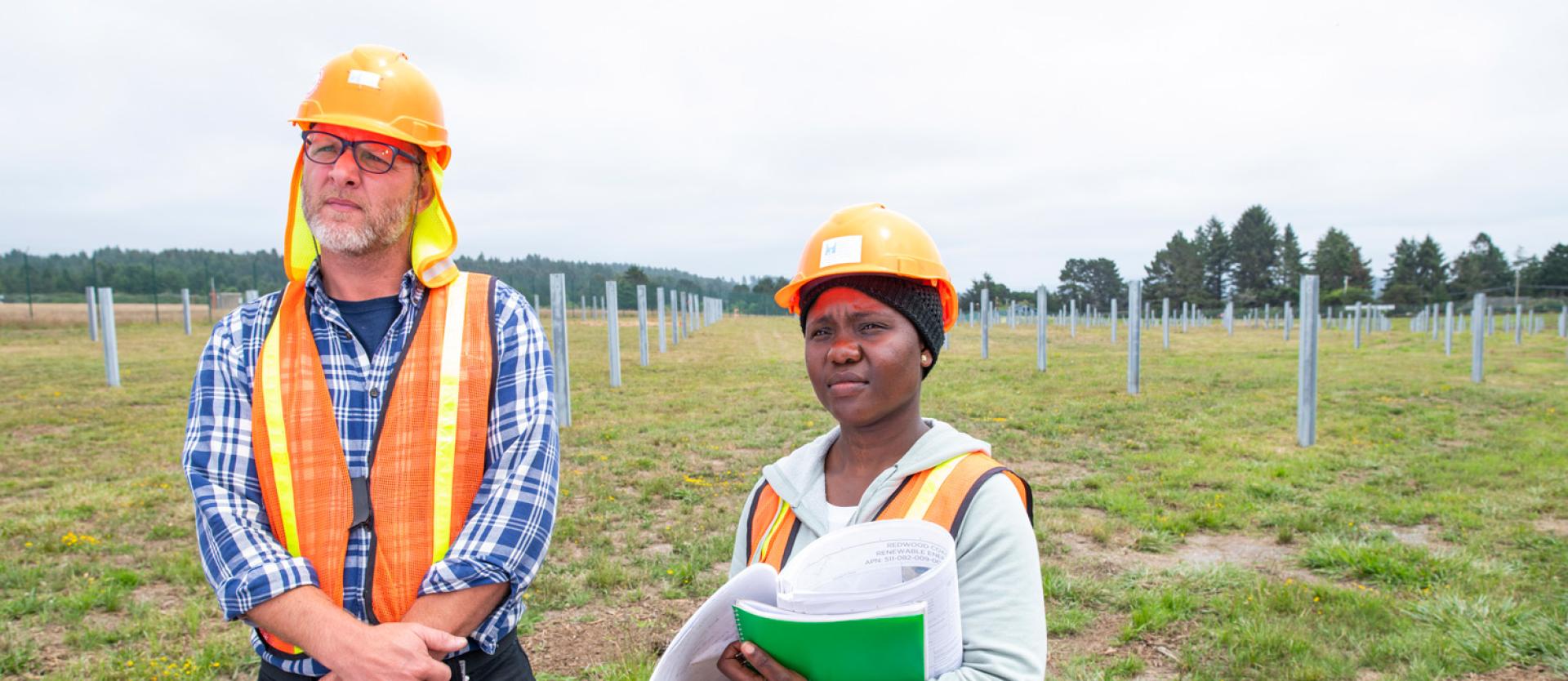
The Energy Technology & Policy (ETaP) option is an interdisciplinary program for students interested in issues ranging from renewable energy engineering to climate change mitigation and from international development to energy policy in California. The program offers a rigorous curriculum for students who are interested in making a difference in these important areas of work. The ETaP option is a thesis based Masters that can be completed in approximately 2 years following a faculty recommended course curriculum.
The Environmental Resources Engineering (ERE) option of the Environmental Systems Graduate Program emphasizes the application of engineering skills to planning, design, and management problems involving environmental resources. Three general areas of research activity are available in the program, Water Quality, Water Resources and Renewable Energy Resources. The ERE option is a thesis or project based Masters that is typically completed in 2 years following a faculty recommended curriculum.
Most graduate students in the Geology option focus on geologic analysis or modeling and measurement of geomorphic processes with particular emphasis on neotectonics, uplift, and seismic hazard or hillslope erosion, sediment transport, and channel stability. However thesis projects have covered the range from structural geology, geophysics and igneous petrology to stratigraphy and paleontology.
Did you know?
The Schatz Energy Research Center is a national leader in areas including renewable energy microgrids and off-shore wind energy. It is also involved in international work related to energy access in off-grid areas.
Faculty and students from the Environmental Resource Engineering program were involved in the original design and development of the The Arcata Marsh and Wildlife Sanctuary’s constructed wetland treatment system, and continue to play a key role in the continued optimization of the system.
The University is located along the active Cascadia subduction zone and south Cascades volcanic arc, as well as near the Six Rivers National Forest and Trinity Alps, giving student researchers unique opportunities to study diverse geologic processes.
Careers
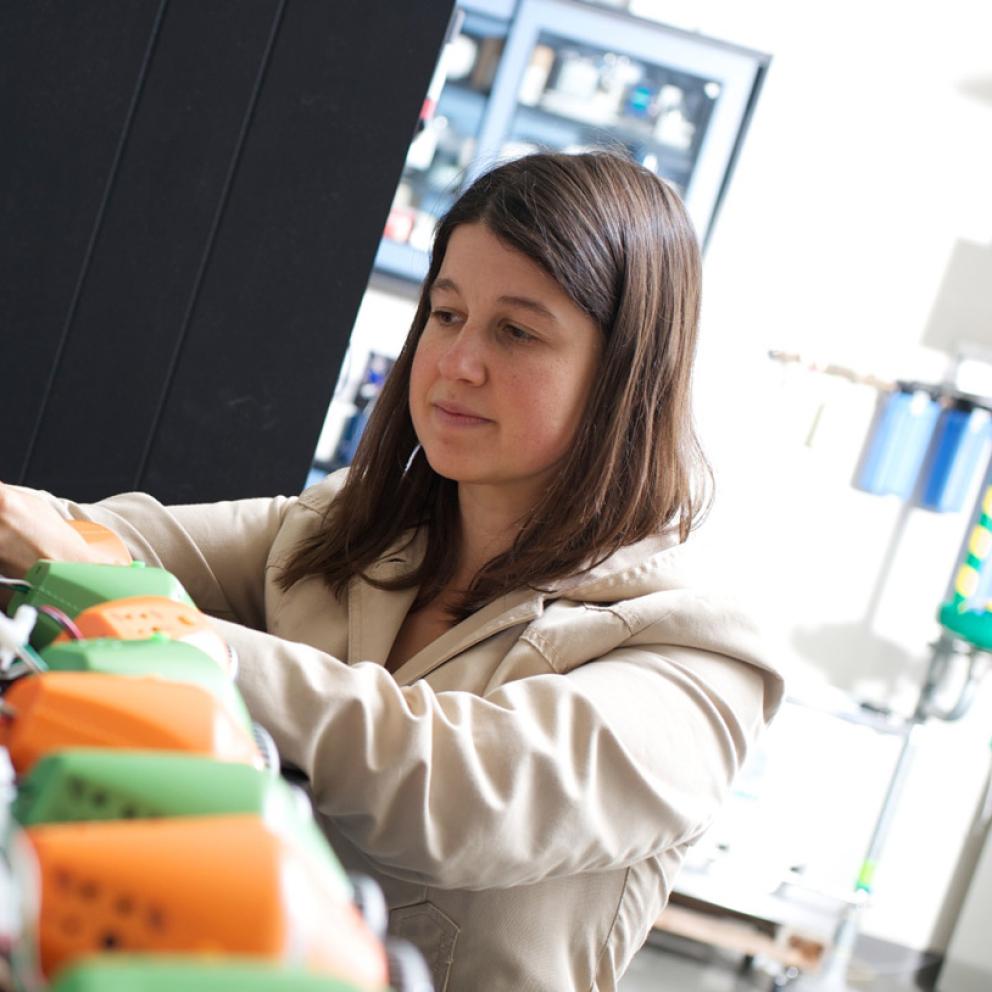
There are a variety of career opportunities for environmental systems professionals to pursue. These jobs span several specialties with a combined purpose to understand the earth and its resources, find solutions to environmental challenges, and encourage positive relationships between human-made systems and nature.
- Civil Engineer
- Energy Systems Engineer
- Energy Policy Specialist
- Environmental Consultant
- Environmental Engineer
- Geologist
- Natural Resource Specialist
- Transportation Planner
- Water and Wastewater Engineer
- Water Treatment Operator
Source: Indeed.com
- Alumni Profiles (Energy Technology & Policy)
- Alumni Profiles (Environmental Resources Engineering)
- Alumni Profiles (Geology)